What Is THCA — and When Does It Become THC?
3 min read
Few cannabinoids are searched for as much as THCA right now — and few are as widely misunderstood. The short version: THCA is the natural precursor of THC. In the raw flower it isn’t intoxicating; the moment you heat it, it becomes THC. Here’s everything you actually need to know.
What is THCA?
THCA stands for tetrahydrocannabinolic acid. It’s the cannabinoid the living cannabis plant actually produces — fresh flower contains almost no ready-made THC, but nearly all of its cannabinoid content as THCA. Chemically it differs from THC by a single extra carboxyl group (the "A" stands for acid).
That one small group makes all the difference: it prevents THCA from binding to the brain’s CB1 receptors. That’s why raw cannabis doesn’t get you high — no matter how much THCA it contains.
How does THCA become THC? Decarboxylation
Heat THCA and the carboxyl group splits off, leaving THC — a process called decarboxylation. It happens automatically when you consume:
- Smoking: the ember decarboxylates THCA in a fraction of a second.
- Vaporizing: conversion starts around 105–120 °C; typical vape temperatures (180–210 °C) convert almost completely.
- Edibles/baking: the material needs to be decarboxylated deliberately before processing (classically 30–45 minutes at around 110–120 °C in the oven), otherwise the effect never arrives.
Rule of thumb: THCA + heat = THC. That’s why lab reports usually state a "total THC" figure that already accounts for THCA (THCA × 0.877 + THC).
What are the effects of THCA?
Unheated, THCA is not psychoactive — it won’t get you high. Research is exploring possible properties of the molecule itself (such as anti-inflammatory effects), but the evidence is still thin and doesn’t support health claims.
What matters in practice is something else: a flower’s THCA number tells you how strong it will be once heated. A flower testing at 25% THCA delivers, when smoked or vaped, the effect of a correspondingly high THC content — with everything that entails. So for dosing: treat THCA flower like potent THC flower, start low and go slow.
What is THCA flower?
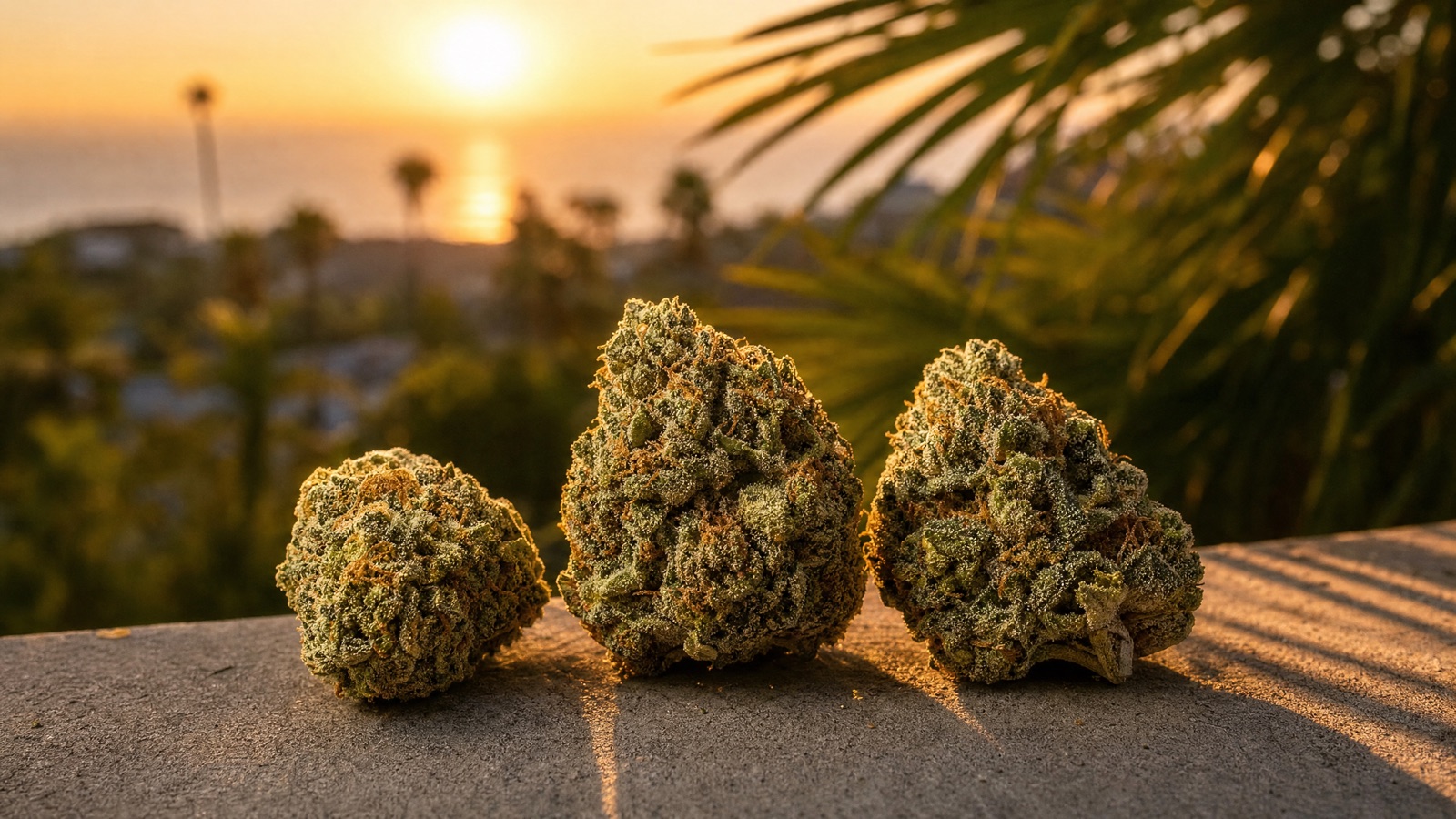
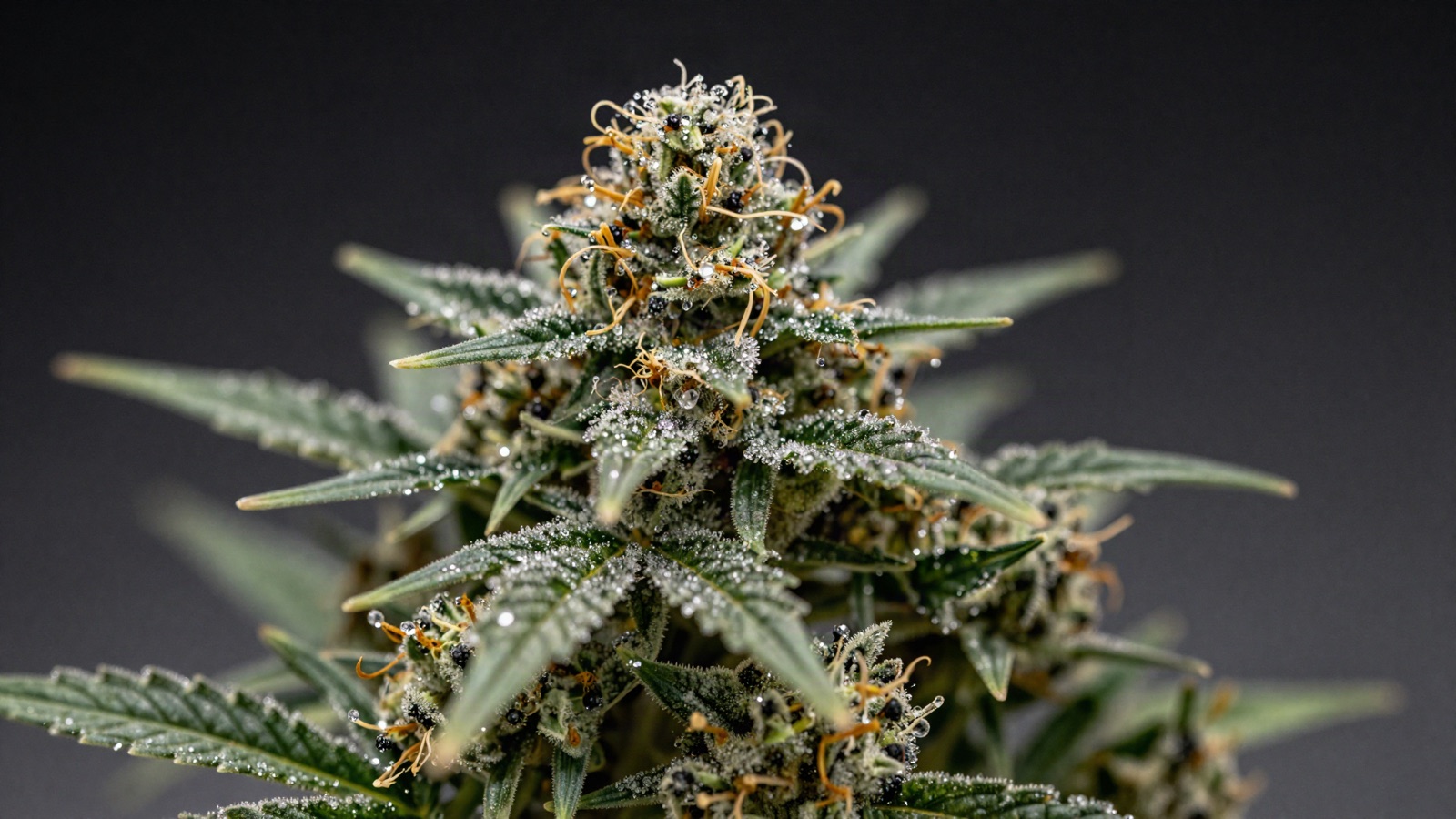
THCA flower is cannabis flower whose lab analysis shows a high THCA share with minimal delta-9 THC. Botanically it’s simply normal, potent cannabis flower — because, as explained above, the cannabinoid in any fresh flower exists mostly as THCA. The difference lies in freshness, drying and storage: the gentler the handling, the less THCA has already converted on its own.
You’ll find our current strains with their lab numbers in the Flowers category — including genetics, aroma and effect profile per strain.
Where does the law stand? (As of August 2026)
The legal situation around cannabis and individual cannabinoids across Europe is inconsistent and evolving. Germany’s Cannabis Act (CanG) has, since April 2024, decriminalised possession and cultivation for adults within narrow limits; in lab analysis, THCA is routinely treated like THC via the "total THC" value. Other European countries take stricter or more liberal views.
Important: this article is not legal advice. Check the rules currently in force in your country before buying or consuming.
Frequently asked questions
Does THCA get you high?
Not raw. Heated (smoked, vaped, baked), THCA turns into THC — and then it works exactly like THC.
What’s the difference between THCA and THC?
A single carboxyl group. THCA is the acid form in the fresh plant and doesn’t bind to CB1 receptors; THC is created from it through heat (or very slowly through ageing) and is psychoactive.
Does THCA convert without heat?
Yes, but very slowly: light, air and time decarboxylate THCA gradually. That’s why poorly stored flower loses its "freshness" — and why cannabis is stored cool, dark and airtight.
Why do lab reports say "total THC"?
Because during consumption virtually all THCA becomes THC. Total THC = delta-9 THC + (THCA × 0.877) — the number that describes real-world potency.
From the SmokersCo shop
Shop THCA Flowers
Written by the SmokersCo team
Product knowledge from the people who source, test and ship every batch.